
Big Idea: Our habits and choices each day determine our closeness with Jesus.
Parent Prep: This week we will be talking about the practical side of our prayer habits and rhythms. As Ps Mark taught on Sunday, a 'habitus' is not quite the same as a daily habit, like making coffee. A habitus is an 'acquired virtue or behaviour – one that is so linked to our identity and purpose that we ‘carry it out without thinking’'. It’s not just something that we do, it’s something that indicates who we are. We desire for our children that prayer would not just be a daily chore for them, but that prayer would be a habitus. That they would know Jesus so closely that prayer would be a solace for them, where they can bring their heart's desires to their Saviour & Friend. However, we know that for children, as they are learning, repetitive habits and routine create safety and familiarity. They crave repitition by nature, and by it learn to trust. So while we hope that prayer becomes more than a religious habit for our kids, and that they 'carry it out without thinking', we can use daily routines and weekly rhythms to help them learn to trust the consistency of God's nature; that He is always there, and the importance of turning to Him in all things.
Read: Matthew 6:5-13
Talk
Look up the word 'habit' in the dictionary together. Talk about some of the habits that you have as a family or as individuals everyday. They can be good or bad habits! Eg. Eating weetbix, chewing with your mouth open, going for a jog, putting a hat on, saying 'grace', etc.
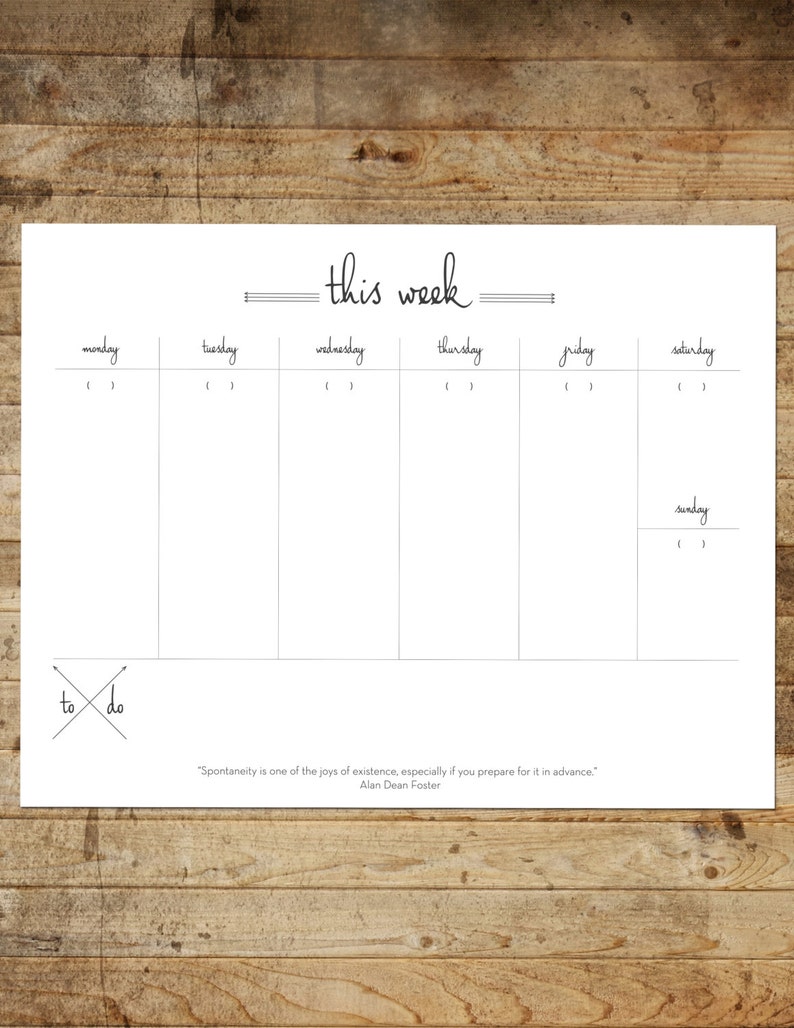
Then talk about some of the habits your family has that have to do with your walk with Jesus. If it's helpful, use a weekly planner (like this one) as a visual to prompt things that might happen on different days. Eg. Going to church, lifegroup, praying, reading the Bible, talking about Jesus over the dinner table, singing worship songs in the car, devotions etc. For young children, you could draw these habits and stick them on.
Ask
Ask children, Do you like doing these 'habits' or regular activities? Why or why not? Allow children to express feelings towards each of these habits. Read together, 1 Thessalonians 5:15-16. This verse, and others, tell us to be praying all the time! Do you feel like that is an easy or hard thing to do? Why?
Now read together Mark 12:33 "And you must love God with all your heart, all your mind, and all your strength. And you must love others the same as you love yourself. These commands are more important than all the animals and sacrifices we offer to God.” Explain to children, God desires that we would come to Him as His children who need their Father, not just because we feel like we have to. More than God wants us just to do what He says, like when the people were told to bring animal sacrifices, God wants us to love Him with everything we've got! So when it comes to praying, God wants it to be like talking to someone we love.
Ask children, does it feel like a chore to talk to me and tell me or your (other family member's name) every day? No, we talk to each other because we love each other. In the same way, God wants us to talk to him not because He says so, but because we love Him, and because He loves us. When we pray each day, at the table, or at bed time, or in the car, we are doing it because we remember God loves us and loves to hear from us.
Remind children that we choose to make habits of prayer each day so that we grow closer and deeper in our love for God, not just so that we are 'good' at prayer! Eventually we hope that we would 'pray without thinking about it' because we just love talking to God so much!
Do
Forming habits: Place a teaspoon at each place where your family regularly prays this week. For younger children, hide them so that they can find teaspoons around the house in these places every day and be reminded those places are for prayer. Use the teaspoon to help remind your children what to say when we pray. TSP: Thank you, Sorry, Please. Allow children to hold the spoons while they pray, as a visual prompt.
For fun: with older children this week, play a game of 'spoons' with teaspoons. (find instructions for how to play here.) As you play, use the opportunity to talk about prayer, prompted by the discussion above.
Have a great week!


Comments are closed.